Mental health is an essential part of
overall well-being. It influences how we think, feel, respond to challenges,
relate to others and experience everyday life. Yet, in a world that is
increasingly fast-paced and demanding, finding time for genuine mental rest can
be difficult. Our days are filled with responsibilities, deadlines, decisions,
conversations and an almost continuous flow of information. Notifications
follow us from one task to another, and even when the body is physically at
rest, the mind may continue thinking, planning, remembering and anticipating.
This makes the conversation around mental
health especially relevant as World
Mental Health Day is celebrated this month, on 10 October. The day provides
an opportunity not only to raise awareness about mental
health challenges, but also to consider how we can cultivate greater mental well-being in everyday
life. One practice that has received attention in the
context of stress, anxiety, sleep and overall well-being is the Transcendental Meditation technique.
Rather than requiring people to force the
mind to become quiet or control every thought, Transcendental Meditation is an
effortless practice that allows the mind to move towards quieter levels
of awareness. This offers a different perspective on mental health.
Supporting the mind may not only be about learning how to deal with
stress after it appears; it can also involve creating a regular practice that
supports rest and inner stability.
Transcendental Meditation and Mental Health
The relationship between Transcendental
Meditation and Mental Health can be understood through the connection between
mental activity, stress, rest and our ability to respond to everyday demands.
The mind is naturally designed to respond to challenges. When something requires
our attention, we become alert and engaged. This response is useful because it
helps us solve problems, meet responsibilities and adapt to changing
circumstances. The challenge comes when there is little opportunity to step
away from continuous activity.
When the mind is constantly occupied, it
can become difficult to maintain a sense of perspective. One thought can lead
to another, one responsibility can lead to another, and the day can pass
without a meaningful pause from mental demands. The Transcendental Meditation technique
provides a simple way to introduce such a pause into the day. Practised
regularly, it allows the practitioner to experience quieter levels of awareness
without having to suppress thoughts or deliberately control mental activity.
This perspective is particularly relevant
to mental health because well-being is not simply about the absence of
difficulty. It also involves developing the capacity to meet life's demands while
maintaining stability and perspective. A person may still encounter deadlines,
uncertainty, responsibilities and challenging situations, but having a regular
practice that supports mental well-being can influence how those experiences
are approached.
Stress: When the Demands of Life Become Overwhelming

Stress is a natural part of life. It is the
body's response to demands and challenges, helping us become more alert and
prepared to act. A certain amount of stress can be useful. It can motivate us
to complete a task, respond to an unexpected situation or meet an important
deadline. The experience can become very different, however, when stress
becomes persistent and there is little opportunity for recovery.
When demanding experiences continue for
long periods, the mind and body may remain highly engaged. This can influence
how we think, feel, sleep and respond to further challenges. Understanding how Transcendental
Meditation helps reduce stress is therefore an important part of the wider
conversation around mental health.
The Transcendental Meditation technique
introduces a period of effortless practice into the day, providing an
opportunity to step away from external demands. Rather than requiring
additional concentration or effort, the practice allows the mind to move
naturally towards quieter levels of awareness. Over time, incorporating such a practice
into a daily routine may offer a constructive way of supporting recovery from
the pressures of an active lifestyle.
Cortisol and the Body's Stress
Response
Stress is not only an emotional or
psychological experience; it also involves measurable physiological changes in the
body. One of the hormones associated with the body's response to stress is cortisol,
often referred to as the “stress hormone.” Cortisol is an essential hormone that
plays important roles in metabolism, immune function, blood pressure and the
body's response to challenges. It also follows a natural rhythm throughout the
day.
The concern is not cortisol itself, but the
effect that prolonged or repeated stress can have on the body's stress-response
systems. Because cortisol can be measured, researchers have examined it as one way
of understanding the physiological dimensions of stress and whether practices
such as meditation may influence the body's response.
The question of how Transcendental
Meditation helps reduce stress goes beyond the immediate experience of taking
time out of a busy day. Regular practice may be particularly relevant because
stress is often cumulative. The pressures of work, study, family
responsibilities and uncertainty can build over time, making it increasingly important
to have healthy ways of responding to and recovering from those demands.
Transcendental Meditation can become part
of such a routine by providing a consistent period in which the practitioner is
not required to respond to external demands. Its effortless nature means that
meditation itself does not need to become another task to accomplish.
Instead, it can provide a simple daily practice
that complements other healthy habits supporting mental and physical
well-being.
Research: Transcendental Meditation, Cortisol and
Stress
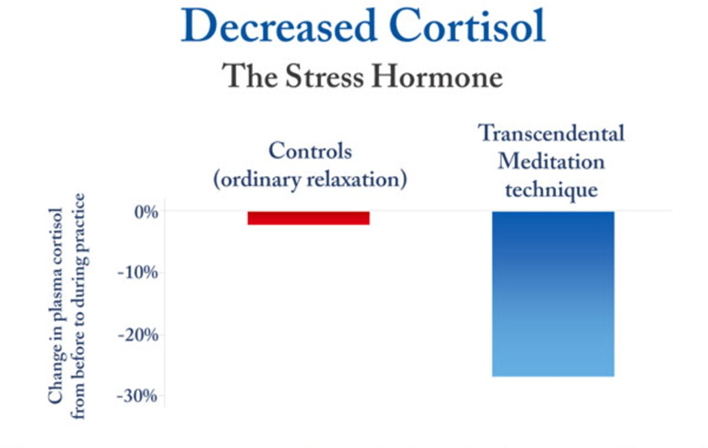
Research
has examined cortisol
as a physiological indicator associated with the body's
stress response. One study reported significantly
decreased plasma cortisol levels during Transcendental Meditation practice,
suggesting reduced physiological arousal during meditation. The findings were
published in Hormones and Behavior,
10: 54–60, in 1978.
Research examining cortisol and other
measures of stress can provide a physiological perspective on the relationship
between meditation and stress. It can also help broaden our understanding of
mental well-being by illustrating how psychological experiences and physical processes
are closely connected. Research examining perceived
stress, psychological
distress, burnout or related measures can further contribute to understanding
how regular Transcendental Meditation practice may relate to the experience of
stress and the ability to cope with demanding circumstances.
Anxiety: When the Mind Struggles to Switch Off
Stress and anxiety are closely connected,
but they are not the same. Stress is often associated with a particular demand
or situation, while anxiety can continue even when there is no immediate
challenge. It may involve recurring worry, apprehension or anticipation of what
might go wrong. For someone experiencing anxiety, the mind can sometimes remain
preoccupied with possible problems long after the immediate situation has passed.
Trying to simply tell the mind to stop
worrying does not necessarily work. The mind cannot always be directed into calm
through conscious effort. This is one reason the effortless nature of the
Transcendental Meditation technique is relevant. Rather than asking
practitioners to analyse or manage every thought, the practice allows them to
move away from the constant engagement of the thinking mind and experience
quieter levels of awareness.
Research: Transcendental Meditation and Anxiety
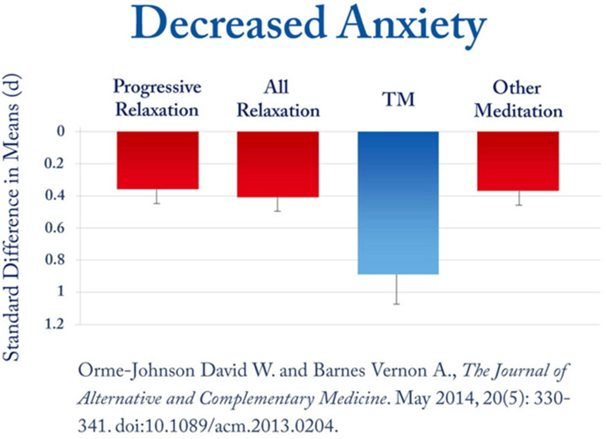
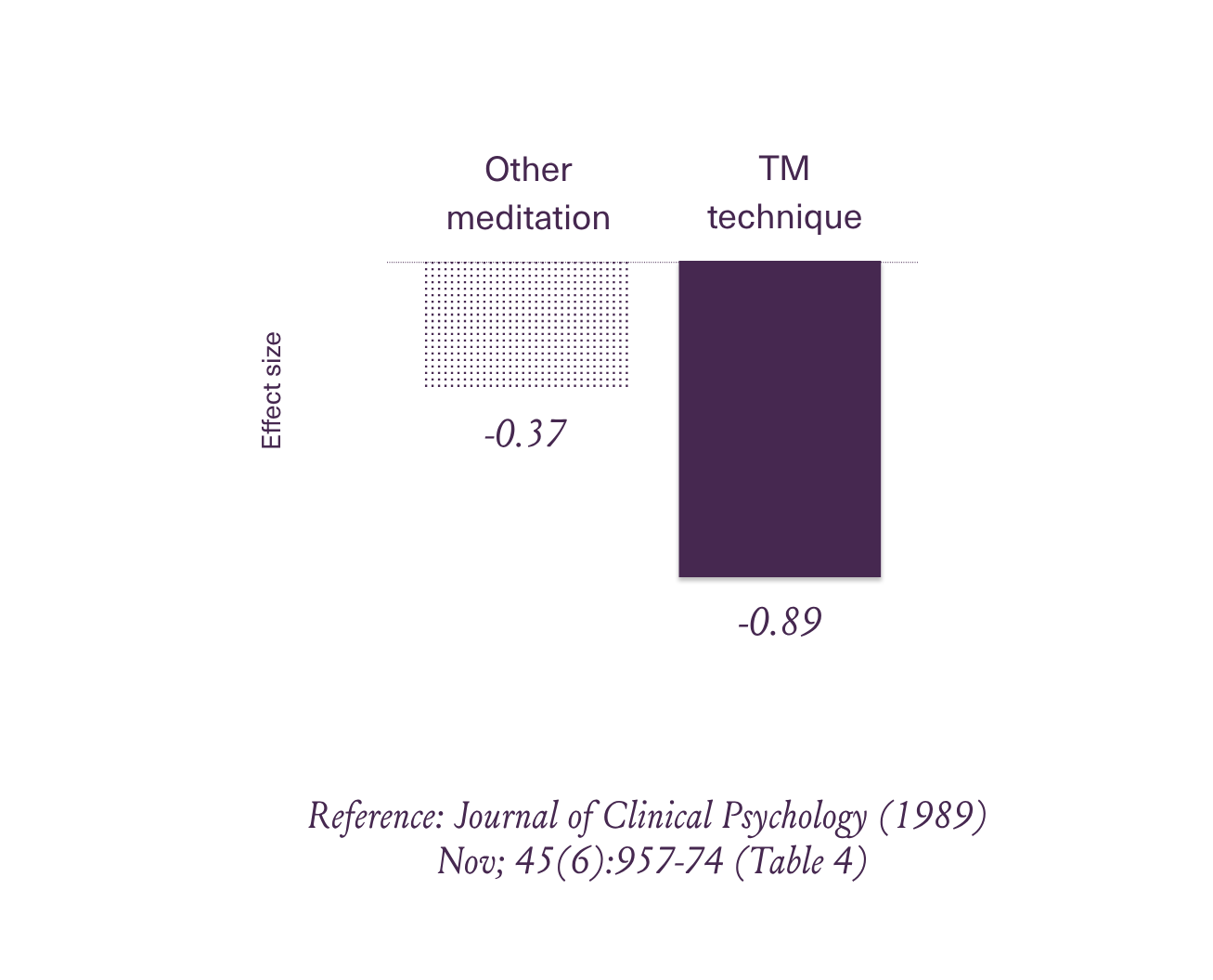
A comparative study involving
1,295 subjects found the Transcendental Meditation technique to be more
effective than other approaches at reducing anxiety. The study also found that
TM practice significantly reduced anxiety among individuals with the highest
measures of trait anxiety. The findings were published in the Journal of
Alternative and Complementary Medicine, May 2014, 20(5): 330–341.
Research in this area contributes to the
broader conversation around the mental health benefits of meditation, particularly
in relation to anxiety and psychological well-being. For individuals
experiencing significant or persistent anxiety, meditation can be considered as
one potential component of a broader approach to mental health and should not
replace appropriate professional support when it is needed.
Sleep: When the Mind and Body Need to Recover
Mental health and sleep are deeply
interconnected. When the mind remains active at night, falling asleep can
become difficult. Thoughts about work, relationships, responsibilities or the
future can continue long after the day has ended. At the same time,
insufficient or disrupted sleep can affect mood, concentration, emotional balance
and our ability to respond effectively to stress.
This can create a cycle in which stress
interferes with sleep, poor sleep makes everyday challenges feel more difficult
to manage, and anxiety keeps the mind active. Supporting mental health therefore
also means paying attention to the quality and regularity of sleep.
The Transcendental Meditation technique is
not a substitute for sleep. Its role can instead be understood as providing a regular
opportunity during the day to step away from activity. By incorporating a
period of effortless meditation into a daily routine, practitioners can create
space for the mind and body to disengage from the continuous demands of the
day.
Research: Transcendental Meditation and Sleep
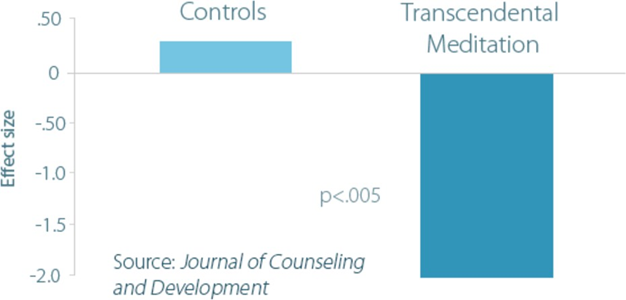
A study published in the Journal of Counseling and Development found that many people reported an immediate improvement in sleep quality after learning the
Transcendental Meditation technique.
Research into sleep adds another
dimension to the conversation about meditation and mental well-being. Because
sleep is connected with mood, stress,
emotional regulation and cognitive
functioning, understanding its relationship with meditation can contribute to a broader
picture of how regular practices may support well-being.
Can Transcendental Meditation Improve Mental Health?
So, can Transcendental Meditation improve
mental health? Mental health is complex, and supporting it calls for a
comprehensive approach. When Maharishi Mahesh Yogi was asked whether taking
medicine was necessary when a person faced a health problem, or whether Transcendental
Meditation alone would be sufficient, he emphasised the importance of
addressing a problem from all sides. Rather than relying on only one approach,
he explained that when there is a problem, we should “attack from all
sides”—using every appropriate means available to support its resolution.
This perspective is relevant to mental
health as well. Research into the Transcendental Meditation technique has
explored several areas closely connected to mental well-being, including
stress, anxiety, physiological stress responses and sleep. The potential value
of the practice lies partly in making mental well-being a regular consideration
rather than something addressed only when difficulties become overwhelming.
A consistent meditation routine can exist
alongside other foundations of good mental health, including healthy
relationships, physical activity, adequate sleep, meaningful work, recreation and
professional support when necessary.
Transcendental Meditation can
therefore be one part of a broader approach to well-being, practised
alongside other appropriate measures, including professional care and
medication when required.
Mental health is shaped by many factors,
and caring for it requires a similarly broad perspective. Transcendental Meditation
offers a practical way of creating a regular space for the mind within an
otherwise demanding routine.
Mental Clarity and Focus in a Distracted World
Mental well-being is also connected to
our ability to direct and sustain our attention. Modern life constantly
competes for our focus. We move between emails, messages, meetings, social
media, conversations and tasks, often switching our attention before we have fully
completed what was in front of us.
Over time, this constant stimulation can
make it harder to maintain clarity and focus. Meditation offers an opportunity to
step away from this pattern and devote time to an inward experience rather than
responding to external demands.
The Transcendental Meditation technique
takes an effortless approach rather than requiring forceful concentration. By
incorporating regular meditation into daily life, individuals may create conditions
that support greater clarity, alertness and focus in their everyday activities.
From Managing Mental
Health to Cultivating Mental Well-Being
The conversation around mental health
often begins when something goes wrong. However, mental well-being deserves
attention long before a person reaches a point of crisis. This means considering
the everyday habits and practices that can help people maintain resilience,
manage pressure and remain connected to themselves and others.
It also means recognising that mental health
is not a single dimension. Stress, anxiety, sleep, attention and emotional well-being
influence one another. Supporting one area can therefore have significance for
the broader experience of daily life.
The Transcendental Meditation technique can
be incorporated into this broader approach as a regular practice that gives the
mind an opportunity to move away from continuous external engagement. It does
not require withdrawing from responsibilities or removing every source of
stress. Instead, it can become part of a balanced routine that supports the individual
while they continue to participate fully in work, relationships and everyday
life.
A Quieter Foundation for a Demanding
World
The answer to modern stress is not necessarily
to remove all activity from our lives. Activity is an essential part of living.
We work, create, build relationships, solve problems, pursue goals and care for
others. The aim is not to create a life without pressure, but to develop a
stronger foundation from which to meet that pressure.
This is where the relationship between Transcendental
Meditation and Mental Health becomes particularly meaningful. Research examining
cortisol, stress, anxiety and sleep can provide different perspectives on the
potential relationship between regular meditation practice and mental and
physiological well-being.
As we mark World Mental Health Day this
month, the conversation can extend beyond awareness of mental health challenges.
It can also be a reminder to consider how we care for the mind every day. Mental
well-being is something that can be nurtured through the choices and routines
we establish throughout the year, not only addressed when difficulties arise.
For some, that may mean creating stronger
social connections. For others, it may mean improving sleep, becoming more
physically active, seeking professional support or developing a regular meditation
practice. What matters is recognising that caring for mental health is an
ongoing process.
The Transcendental Meditation technique offers
an effortless way to make time for the mind part of everyday life. In a demanding
world, cultivating calm is not about withdrawing from life; it is about
creating a deeper foundation from which to engage with it.
Frequently Asked Questions
Can Transcendental Meditation improve
mental health?
Transcendental Meditation may support aspects of mental well-being by
becoming a regular part of a healthy daily routine. Research has explored its
relationship with areas such as stress, anxiety and sleep. It can be considered as one
component of a broader approach to mental health alongside healthy lifestyle
practices and professional support when needed
How does Transcendental Meditation help reduce stress?
Transcendental Meditation provides a
regular period away from the continuous demands of daily activity. Its
effortless approach allows the practitioner to experience quieter levels of
awareness without having to deliberately control thoughts or force relaxation.
Regular practice can therefore become part of a routine designed to support a more
balanced response to everyday pressures.
Can Transcendental Meditation help improve mental
clarity and focus?
Transcendental Meditation provides an opportunity
to step away from constant stimulation and give the mind time for an inward
experience. By creating regular periods away from external demands, the practice
may support greater clarity, alertness and focus in everyday activity.
Can Transcendental Meditation help with anxiety
and sleep?
Transcendental Meditation provides a
regular opportunity for the mind to disengage from continuous mental activity
and experience quieter levels of awareness. Research has explored its
relationship with both anxiety and sleep. For persistent anxiety or sleep
difficulties, appropriate professional support should also be considered.